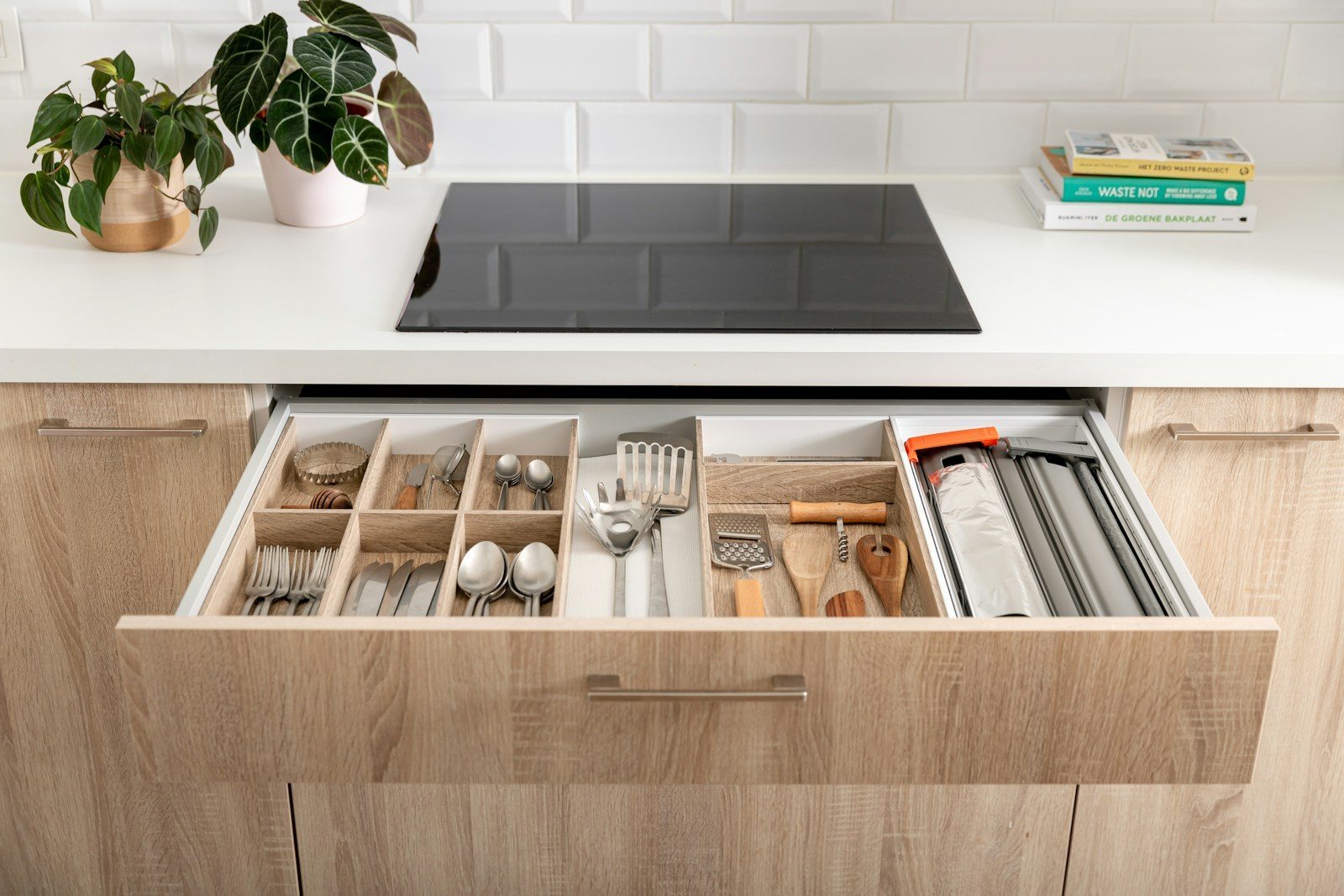
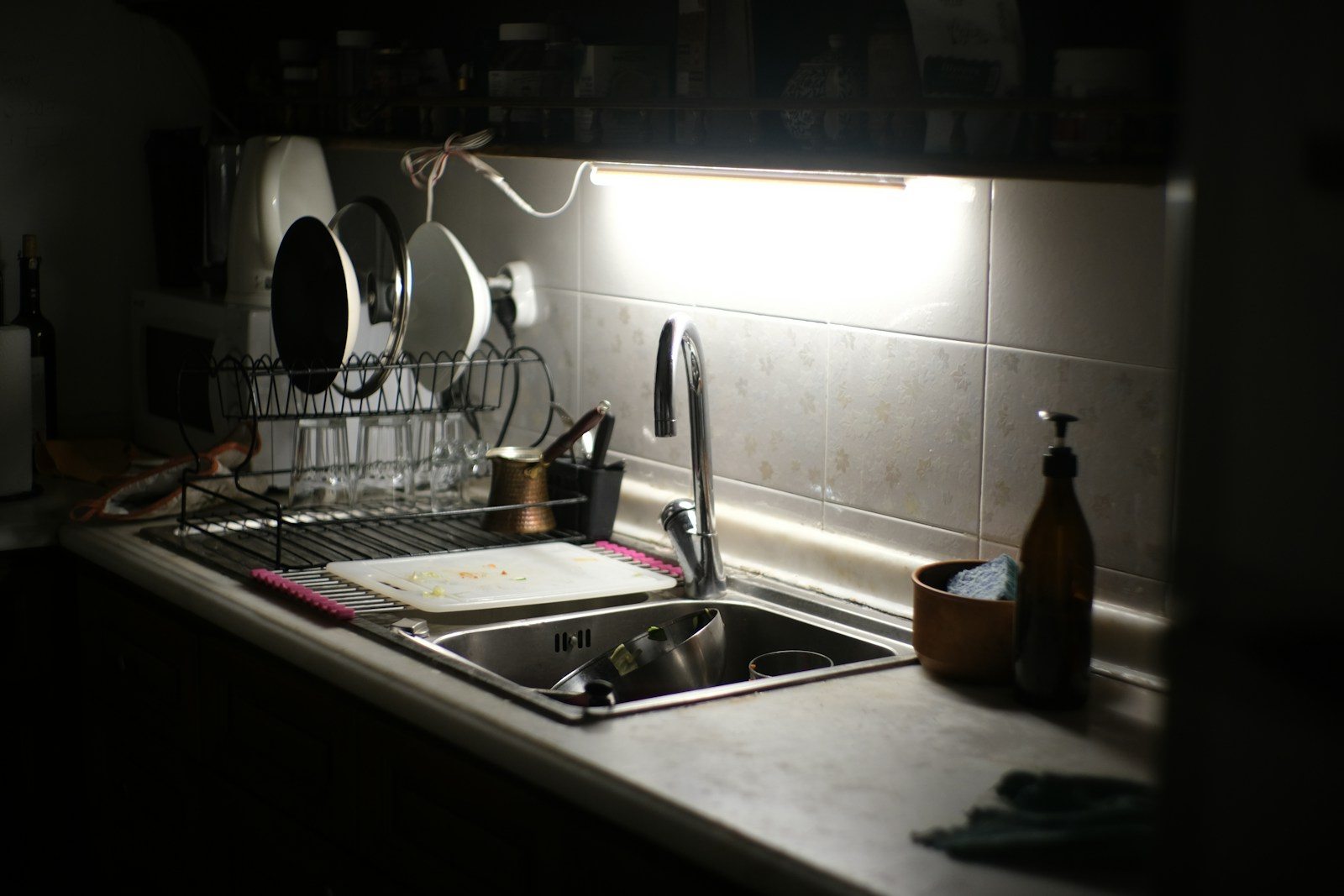
A shared kitchen can be tidy and still feel difficult. One person sees an empty shelf; another sees the place reserved for tomorrow's groceries. A pan in the sink may mean 'I will wash this after dinner' to its owner and 'someone has left me a job' to everyone else. The useful agreement makes these invisible expectations visible. It needs to answer a few recurring questions, not anticipate every possible disagreement.
A FEW THINGS TO TAKE WITH YOU
- Separate ownership of objects from permission to use shared space.
- Agree how unfinished tasks are handed over, including a fallback.
- Review one recurring friction after a trial week instead of rewriting the whole kitchen.
Begin with different defaults, not a difficult person
Invite each person to name one kitchen moment that repeatedly interrupts them. 'I cannot find a clean cutting board when I start dinner' describes a solvable situation. 'Nobody here respects anything' makes the conversation about character. Keep the first discussion narrow enough to end with a decision you can try.
Then ask what each person assumed would happen. Some households share every staple; others replace only what they personally finish. Neither arrangement works well when it is an unspoken mixture. You do not have to agree on an ideal kitchen to agree on what happens to a borrowed pan tonight.
Do this when nobody is rushing to cook. The conversation is part of setting up the room, just as measuring a shelf is. If the home already has household or property rules, work within them rather than treating this exercise as permission to replace those arrangements.
Three decisions cover much of the daily friction
First, decide which items are personal, shared, or available by asking. A favorite knife may remain personal while an ordinary saucepan is shared. Label the exception if needed; there is no benefit in adding a label where everyone already understands the arrangement.
Second, give each person a recognizable amount of storage space and identify genuinely shared areas. Equal shelf widths are not the only fair arrangement. People may need different heights or have different cooking routines. Make the allocation explicit and revisit it when the household changes.
Third, define what 'ready for the next person' means for the working counter and sink. Use observable actions: utensils returned, ingredients put away, and enough agreed working surface available. Avoid vague standards such as 'perfectly clean' that different people will interpret differently. Product handling and cleaning still follow the relevant instructions.
A friendly example you can rewrite
The following is a hypothetical household agreement, not a recommended rule for every home. Its useful feature is that each sentence explains a decision or a next action. Read it aloud together and change anything that would be unrealistic in your kitchen.
- Our labeled cupboard sections hold personal food. Ask before taking from another person's section.
- The lower pan shelf is shared. Items marked personal need permission, even when stored nearby.
- When a shared staple runs low, add it to the agreed list. We decide who buys it before assuming reimbursement.
- After cooking, leave the agreed preparation area usable. If a task must wait, say what remains and when you expect to finish.
- If the next person needs an item before then, ask directly so we can agree a handoff.
- On Sunday, we will check whether the arrangement is working and change one recurring problem.
Give unfinished work a handoff
An unfinished task needs more information than an apology or a silent pile. Try this structure: what remains, when it will be done, and what someone else can do if they need the space sooner. For example: 'My pan is still here; I expect to wash it after my call at eight. If you need it before then, message me and I will pause to sort it out.'
That sentence is an illustrative script, not a promise made by a real person. The exact time matters less than a clear expectation. Agree a fallback for repeated schedule changes. Otherwise a handoff can become an indefinite reservation of shared space.
Do not move, dispose of, or combine someone else's food simply because it sits in the wrong place. Raise the location problem with the owner. Keep food-specific instructions and any household allergy arrangements clear; a general sharing agreement does not settle individual dietary or medical needs.
Review the arrangement without keeping score on people
At the end of a normal week, ask which decision reduced friction and which question kept returning. Perhaps the shared shelf works, but the shopping list is never checked. Adjust the list's location or assign a clear review time before creating more rules.
Keep the current agreement in one place everyone uses, with the date it was last changed. A small paper card can be enough. There is no need to build a record of every missed cup or late reset; the aim is a usable home, and the relevant evidence is whether people can cook and find their belongings.
Leave room for a person to say that an arrangement no longer fits their schedule or resources. A useful agreement makes renegotiation easier. If every change requires an argument about who originally caused the problem, the document is doing the wrong job.
About this guide
This guide provides planning prompts and comparison criteria. It does not report product tests or results from a real household.
This guide offers general home-planning ideas. Product instructions and your own rental agreement take precedence. How we approach our guides.