A single overhead light can leave your favorite seat feeling uninviting while making the center of the room very bright. A table or floor lamp may give you more control over where light goes. Start with the activities you want to support, then work back to a suitable existing outlet. This guide covers ordinary plug-in lamps; it does not involve replacing fixtures or changing electrical wiring.
A FEW THINGS TO TAKE WITH YOU
- Choose a lamp location by activity and outlet access.
- Compare bulb brightness in lumens and color on the packaging.
- Use compatible bulbs and keep cords out of walking routes.
What is difficult to see?
Sit where you read, work, dress, or relax after dark. Note the actual problem at each spot: a page is difficult to see, an exposed bulb is distracting, or the whole room has to be brightly lit for one person. Each problem calls for a different adjustment.
Start with the most-used spot rather than buying a lamp for every corner. If you already own a lamp, test it there first. Keep enough general lighting to move around comfortably; a cozy photograph is not a useful plan if the route to the door becomes difficult to see.
Choose the problem that sounds familiar
Brightness, color appearance, and the direction of light are separate decisions. Buying a warmer-looking bulb will not move a reflection off a screen. Buying a brighter one will not hide an exposed light source. Use the table to choose a first experiment, then change only that part of the setup so the result is understandable.
These are starting observations, not a diagnosis of eyesight or an electrical fault. Flickering, unusual heat, damage, or other equipment concerns belong in the product's troubleshooting guidance or the property's maintenance process. This table addresses the ordinary experience of an otherwise functioning room.
| What you notice | First thing to inspect | A useful first trial |
|---|---|---|
| The page is dim but the room seems bright | Whether light reaches the page from the usual seat | Reposition a suitable existing reading lamp |
| The bulb is uncomfortable to look toward | The seated view of the shade and light source | Try another suitable position or shade configuration |
| A bright patch appears on the screen | The reflection from your actual working angle | Change the lamp angle or position |
| Two lamps look noticeably different | Their labeled light appearance | Compare a compatible bulb with a similar appearance |
| The switch is always out of reach | Where your hand goes from the seat | Choose a position or control you can comfortably reach |
Can a lamp reach a suitable outlet?
Locate a suitable existing outlet near the intended position, and check the lamp's cord length before buying. Plan a route that does not cross a doorway or walking path, get pinched by furniture, or run under a rug. Do not stretch a cord tight to reach the socket.
The Electrical Safety Foundation International describes extension cords as temporary solutions, not substitutes for permanent wiring. If the arrangement depends on a permanent extension across the room, change the lamp position or discuss the outlet problem with your property manager. Stop using equipment with a damaged cord; fixed electrical faults need the appropriate maintenance help.
Is the shade or position causing glare?
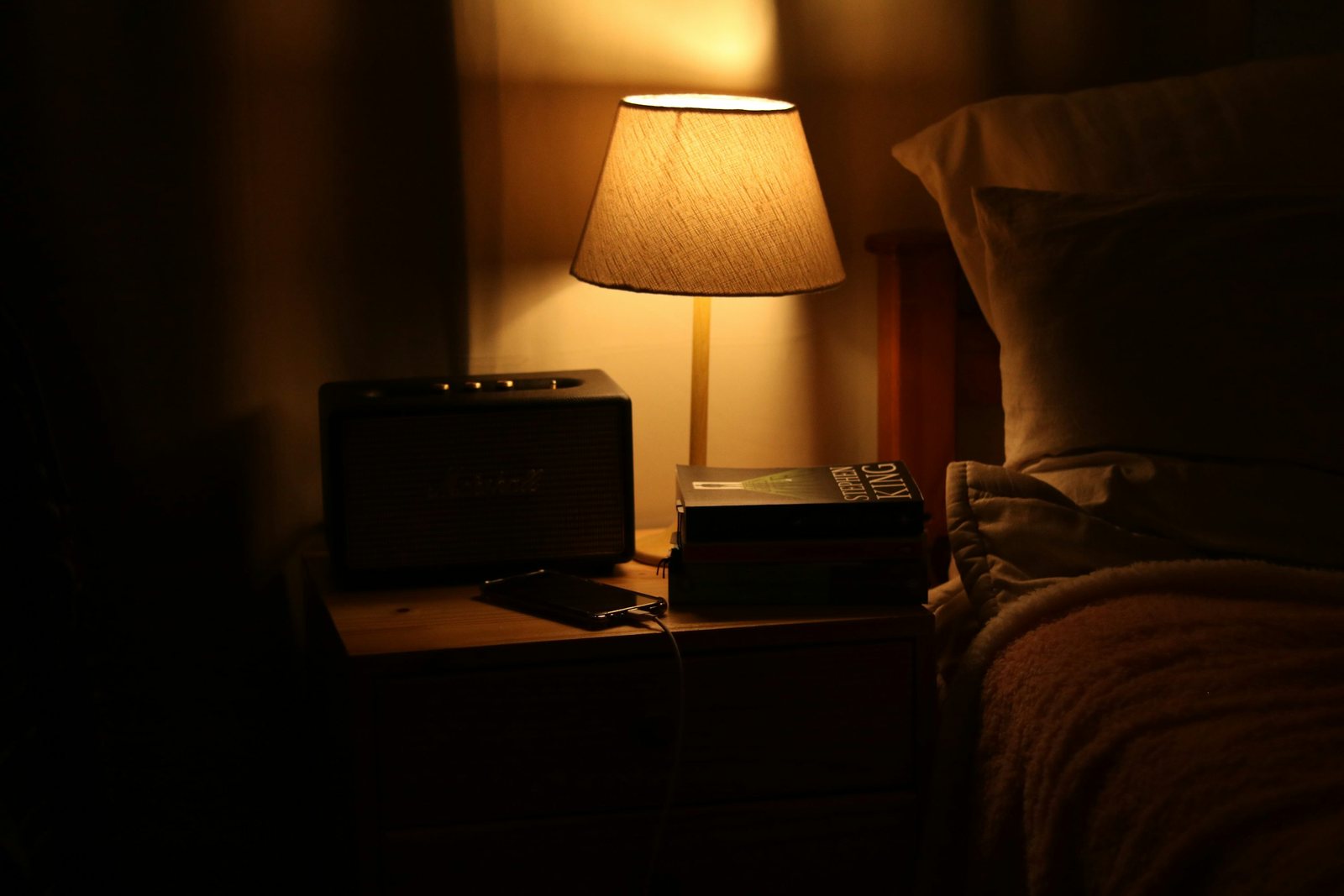
A shaded table lamp is a useful starting point for a side table or bedside surface. A reading lamp with an adjustable head may help direct light toward a page, while a floor lamp can work beside a seat where no table fits. In each case, check that the base is stable and the switch is comfortably reachable.
Sit down while checking shade height. The light source should not glare directly into your eyes from your usual position. If you see a bright reflection on a screen, change the lamp's angle or position before choosing a dimmer bulb. Keep the lamp clear of curtains and other materials as its instructions require.
What does the bulb label actually tell you?
The FTC's bulb-shopping guide distinguishes lumens, which describe brightness, from watts, which describe energy use. Its Lighting Facts explanation also identifies light appearance as the warm-to-cool quality of the light. Use those details to compare products instead of relying only on names such as soft, cozy, or natural.
For a visually consistent room, start by choosing a similar light appearance for lamps used together. Treat the first bulb as a trial in your own shade and room. Wall colors, shade material, position, and personal preference all affect whether you like the result.
- Check the base type and bulb shape against the lamp instructions.
- Keep the bulb's actual wattage within the fixture's stated limit.
- Confirm whether the fixture or shade has additional bulb restrictions.
- Use a dimmable bulb only with a compatible dimmer arrangement.
- Keep the packaging until you have checked the bulb in place.
Choose two useful lighting settings
Make one setting for the task you do most often: for example, the reading lamp plus the existing room light. Make a second setting for winding down, using a shaded lamp while maintaining a clear view of walking routes. These can be simple combinations of switches; smart bulbs are optional.
If the room still feels uncomfortable, identify whether the problem is glare, brightness, or color. Change one variable at a time. That makes the next purchase more specific and avoids replacing a perfectly useful lamp because its first bulb was unsuitable.
Does the arrangement work when you use it?
Use the lamp while reading, walking past, and reaching for the switch. Confirm the base stays steady and the cord remains clear when nearby furniture moves. Check again after vacuuming or rearranging the room, when cords can accidentally change position.
Keep the instructions with your home records. A lighting improvement should be easy to use, easy to pack, and compatible with the next room you rent.
Before shopping, write a compact brief: activity; usual seat; suitable outlet; reachable switch; acceptable lamp footprint; compatible bulb base and limits; preferred light appearance. Keep unresolved items as questions. A lamp that answers this brief is more useful than one described only as a cozy accent.
Sources & further reading
This guide offers general home-planning ideas. Product instructions and your own rental agreement take precedence. How we approach our guides.