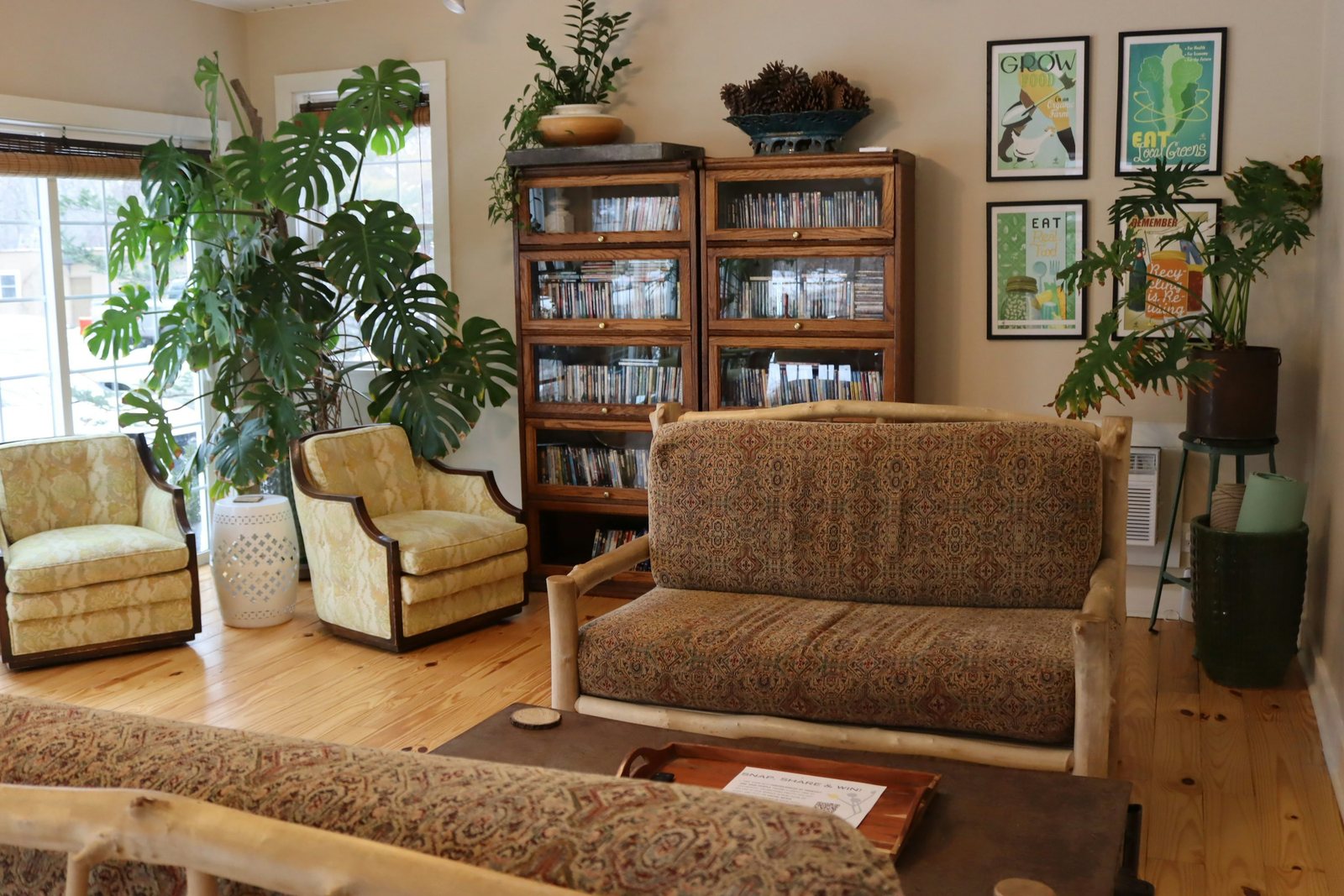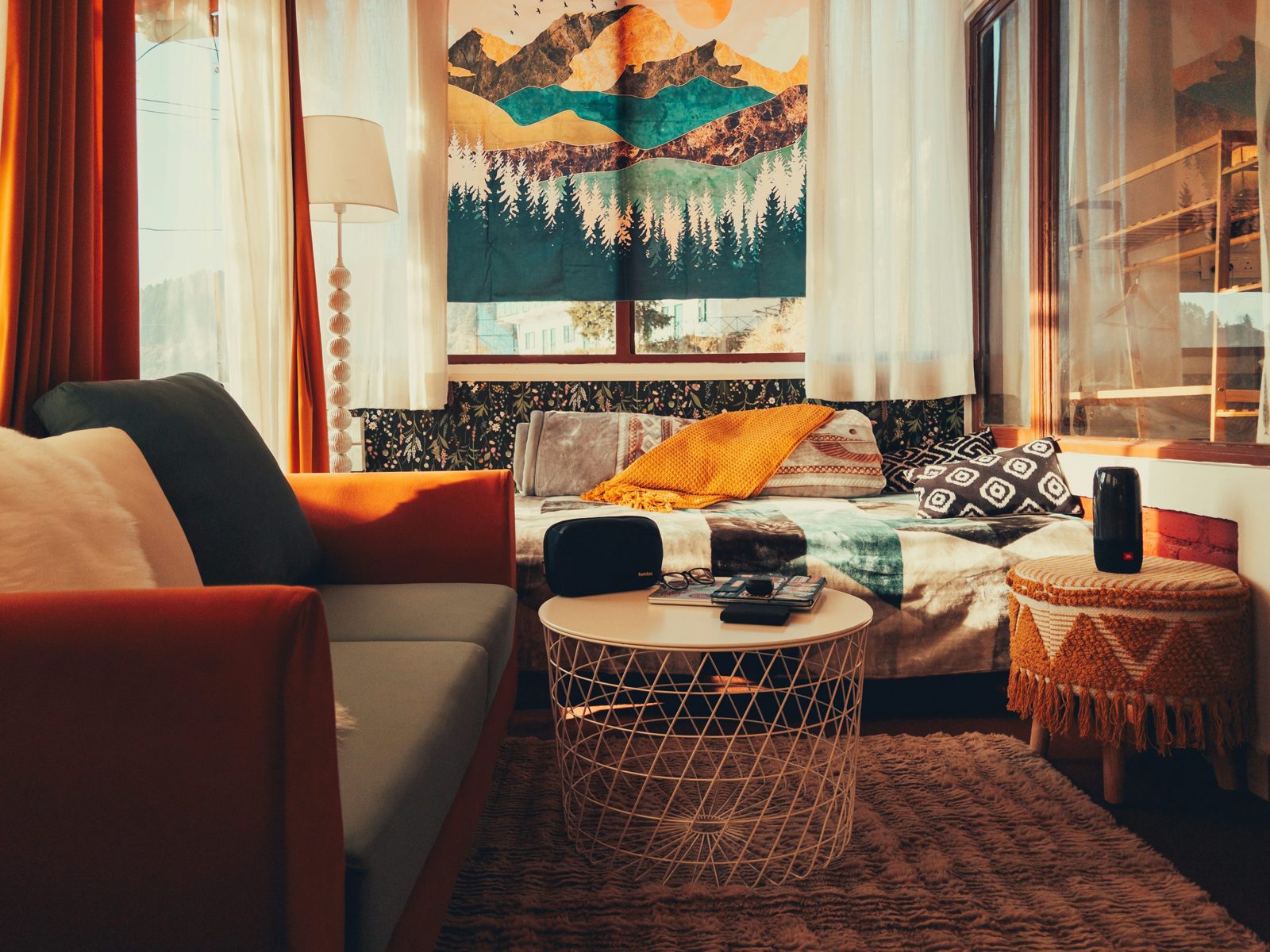
A gallery wall asks you to make many decisions at once: which images belong together, how the frames relate, where every fixing goes, and what happens when you want to change one. You can give art a meaningful place in a rental without taking on that whole arrangement. Start with the piece you want to see in ordinary life and the moment in which you want to see it.
A FEW THINGS TO TAKE WITH YOU
- Choose the viewing moment before choosing the display method.
- Treat a small individual display as complete, rather than a collection waiting to be filled.
- Match the support to the exact object, location, and household; an unsecured leaning frame is not a universal solution.
Begin with the object that matters
Set aside the idea that a room needs a certain quantity of framed art. Choose one piece you would miss if it stayed packed: a print, a drawing, a family photograph, a postcard, or a small textile. Its importance does not have to come from price or size. This selection gives you a real reason to solve the display question.
Describe what you want from seeing it. A small drawing might be enjoyable beside your reading chair, while a bolder print might make sense across the room. If you want to notice fine details, placing it high above a cabinet may defeat the point. The scale of the object should help decide the viewing distance rather than being corrected with a shopping trip for something bigger.
Choose a moment, then a location
Walk through an ordinary day and find a natural pause: taking off your shoes, sitting at your desk, or making a cup of tea. Look for a suitable place within that view. Avoid turning a working surface into a display if you would have to move the art every time you use the room. A clear desk can be more valuable than a carefully arranged corner that keeps getting dismantled.
Check what shares the location. Water, cooking splashes, a busy doorway, and curious hands can change which kind of object belongs there. For delicate or valuable work, ask the maker or an appropriate framing professional about display and care. A casual styling idea should not override the needs of the actual object.
Use the support the object requires
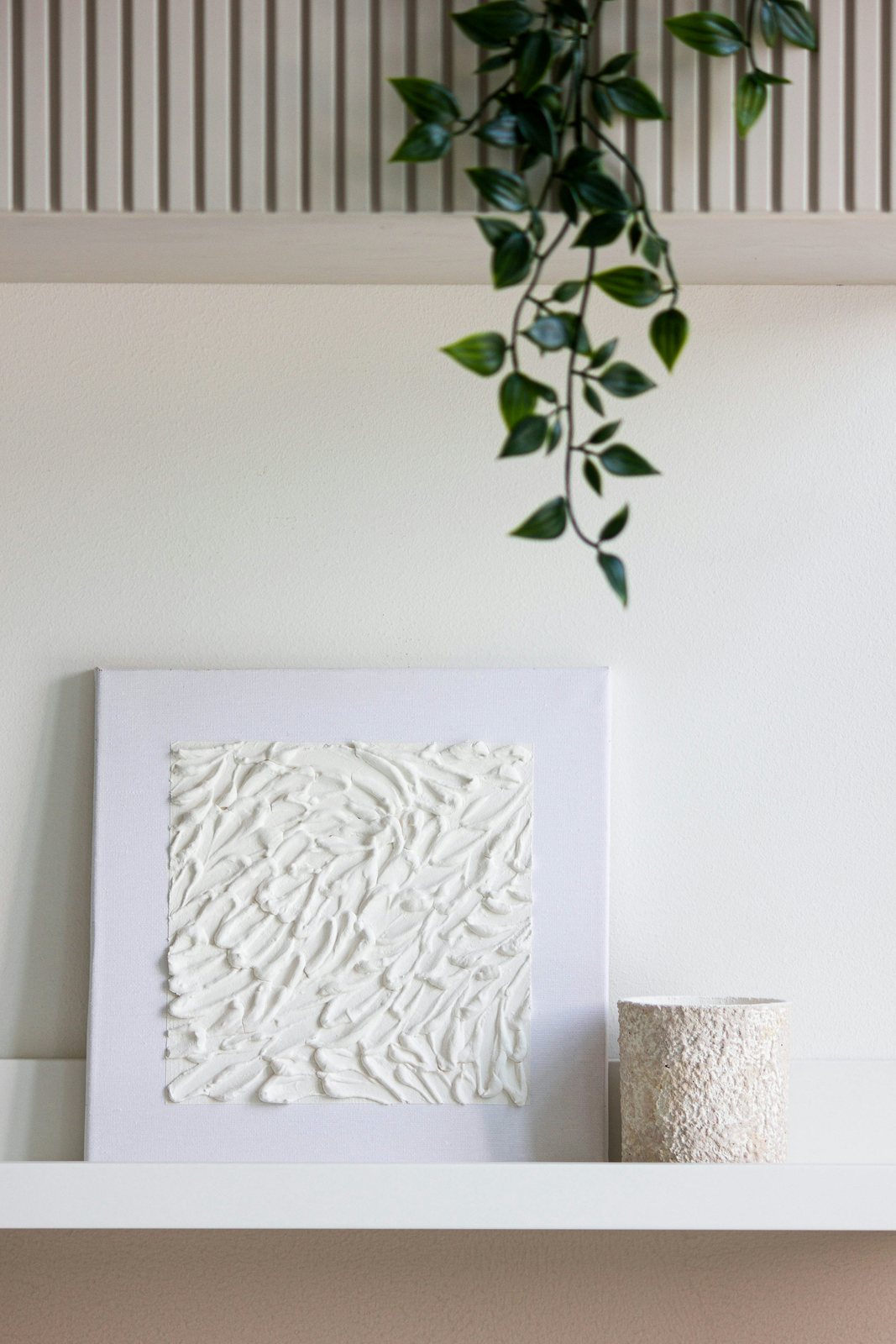
A small lightweight frame designed to stand can work on a suitable stable surface, provided its support functions properly and it is placed where it will not be knocked off. A heavy framed piece or mirror casually leaned against a wall is a different proposition. Do not assume that no holes means no risk. Follow the frame or display system's instructions and choose a location appropriate to children, pets, and everyday movement.
An existing installed picture rail or hanging point may offer another route, but verify its condition, intended use, and load before relying on it. For a new fixing, establish the rental permission and wall compatibility first. If the only safe method needs a fixing you are not allowed to install, use a different piece or location rather than balancing the object precariously.
| Object and situation | Display direction to investigate | Reason to choose another location |
|---|---|---|
| Small frame with its own stand | A stable surface away from the edge | The surface is repeatedly bumped or needed for daily work |
| Light unframed print | A suitable purpose-made holder or permitted hanging system | The holder could crease or otherwise damage the print |
| Heavy framed work | A properly specified and permitted secure fixing | No compatible secure installation is available |
| Several small pieces | A rotation through one suitable display position | Keeping all pieces out makes the display crowded or unstable |
A removable strip is still a product with conditions
If you choose an adhesive picture system, read the instructions for the exact frame dimensions, weight, backing, surface, preparation, and removal method. Include the whole framed assembly in the weight check. Product families can contain different hooks and strips with different intended uses, so a familiar brand name is not enough to establish suitability.
For example, 3M's Command FAQ excludes wallpaper and says paint must be fully cured before use. It also advises against adding hooks to exceed a hook's listed load. These details are a reminder to check the specific product, not a universal installation recipe. Keep its removal tab accessible as instructed and save the directions so taking the piece down is planned as carefully as putting it up.
Let a small display finish the thought
Try the chosen piece by itself before adding supporting objects. If it feels lost, consider whether the location or viewing distance is wrong. Adding five unrelated accessories may make the surface fuller without making the art more enjoyable. One companion object can be enough when its color, shape, or personal meaning adds something you actually want.
Leave usable space around the display and keep access to switches, outlets, handles, and storage. Look at it while seated as well as standing. Resist the urge to correct every empty patch of wall. A little visual quiet can help the selected piece register, especially in a room already full of books, furniture, and the objects of daily life.
Change what you see without increasing the footprint
If you own more work than you can comfortably display, rotate a small selection through a suitable system. Store the rest using materials and conditions appropriate to the objects, rather than leaning unprotected prints behind a cupboard. Make a simple list of what is stored and where, so rotation does not become another search through boxes.
Change the display when you want to see something different, not because an arbitrary schedule says the room needs refreshing. The useful outcome is a home in which your meaningful objects are encountered and enjoyed. One well-placed drawing can accomplish that. It does not have to be the first purchase in a wall-sized project.
Sources & further reading
This guide offers general home-planning ideas. Product instructions and your own rental agreement take precedence. How we approach our guides.