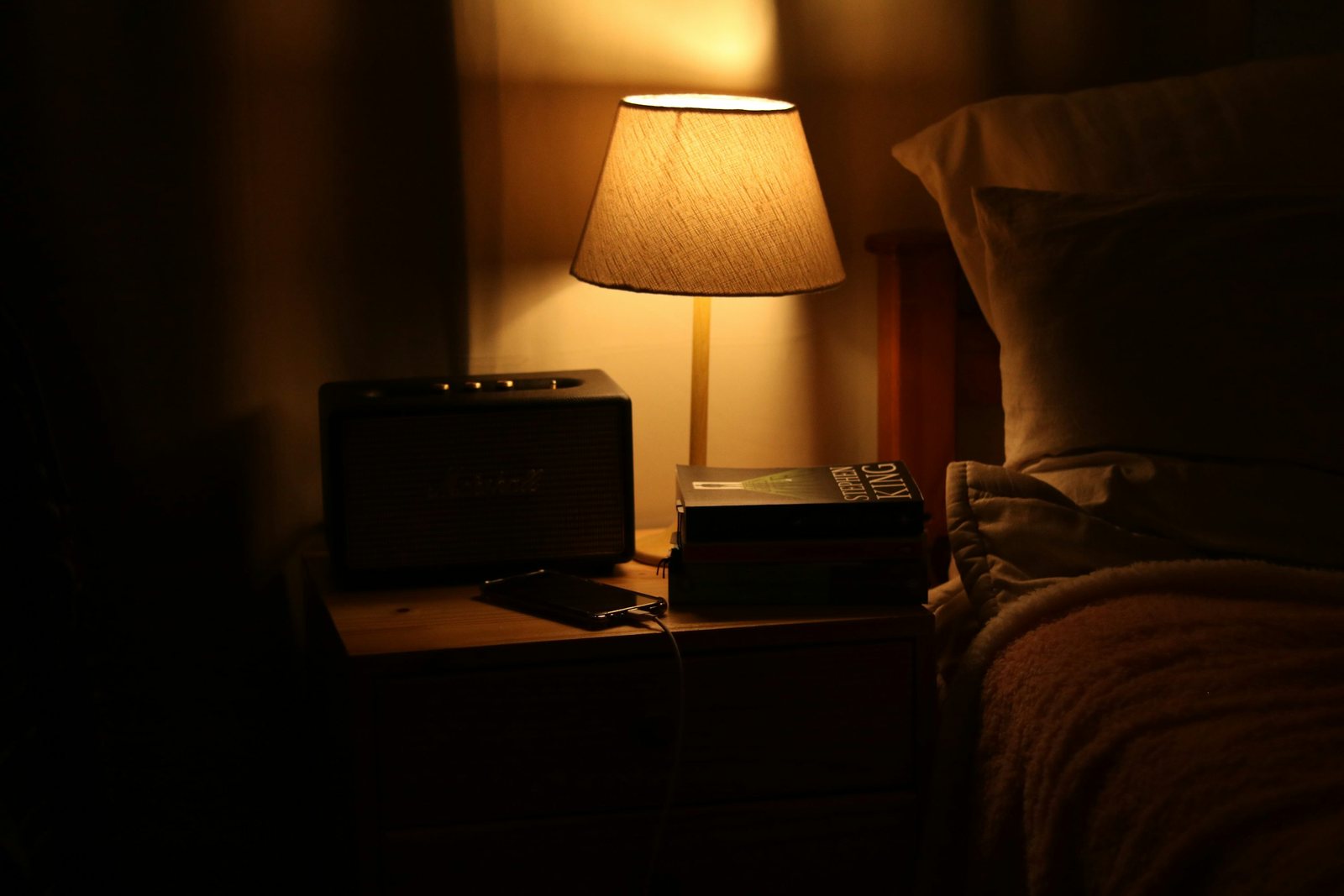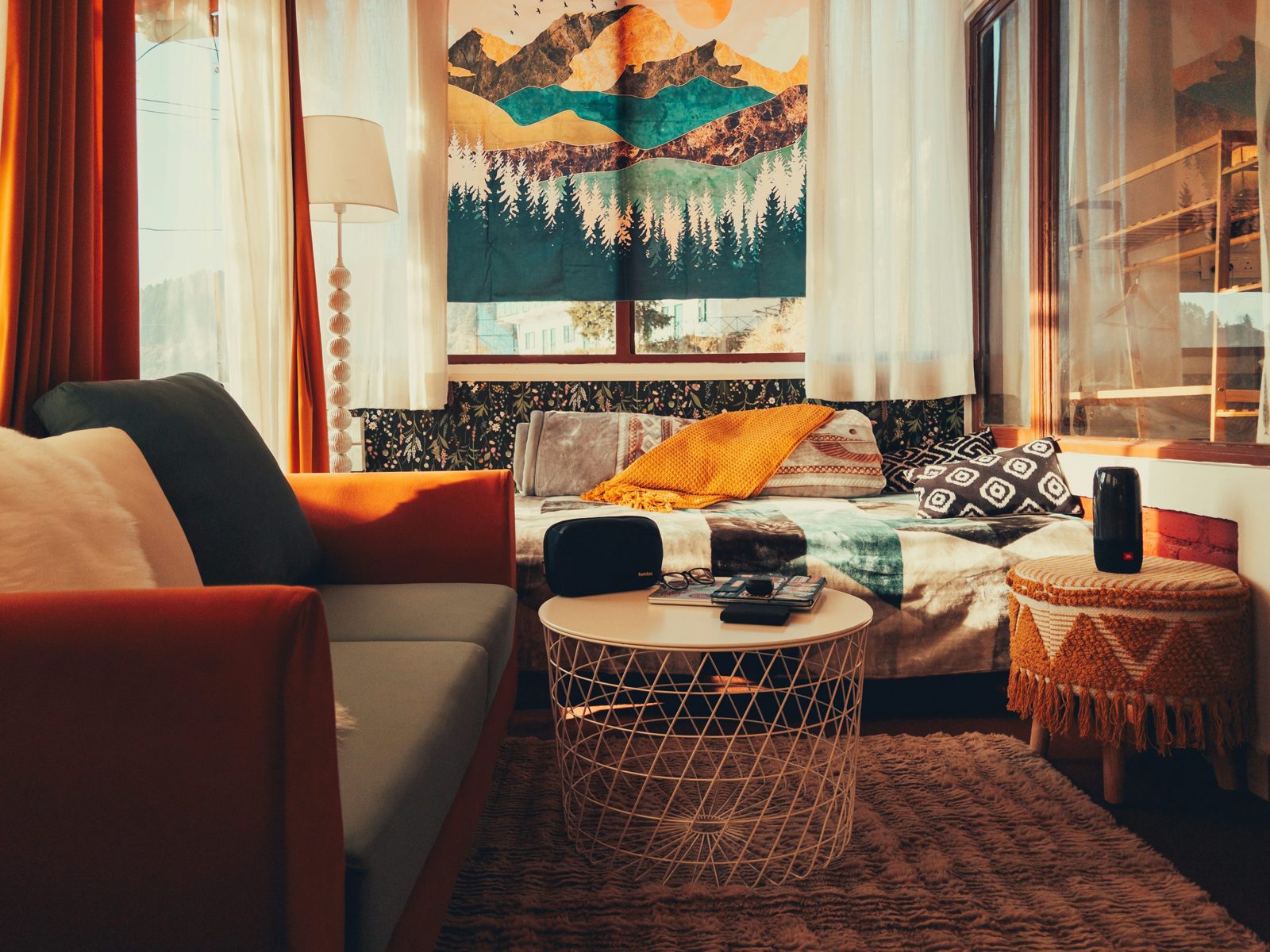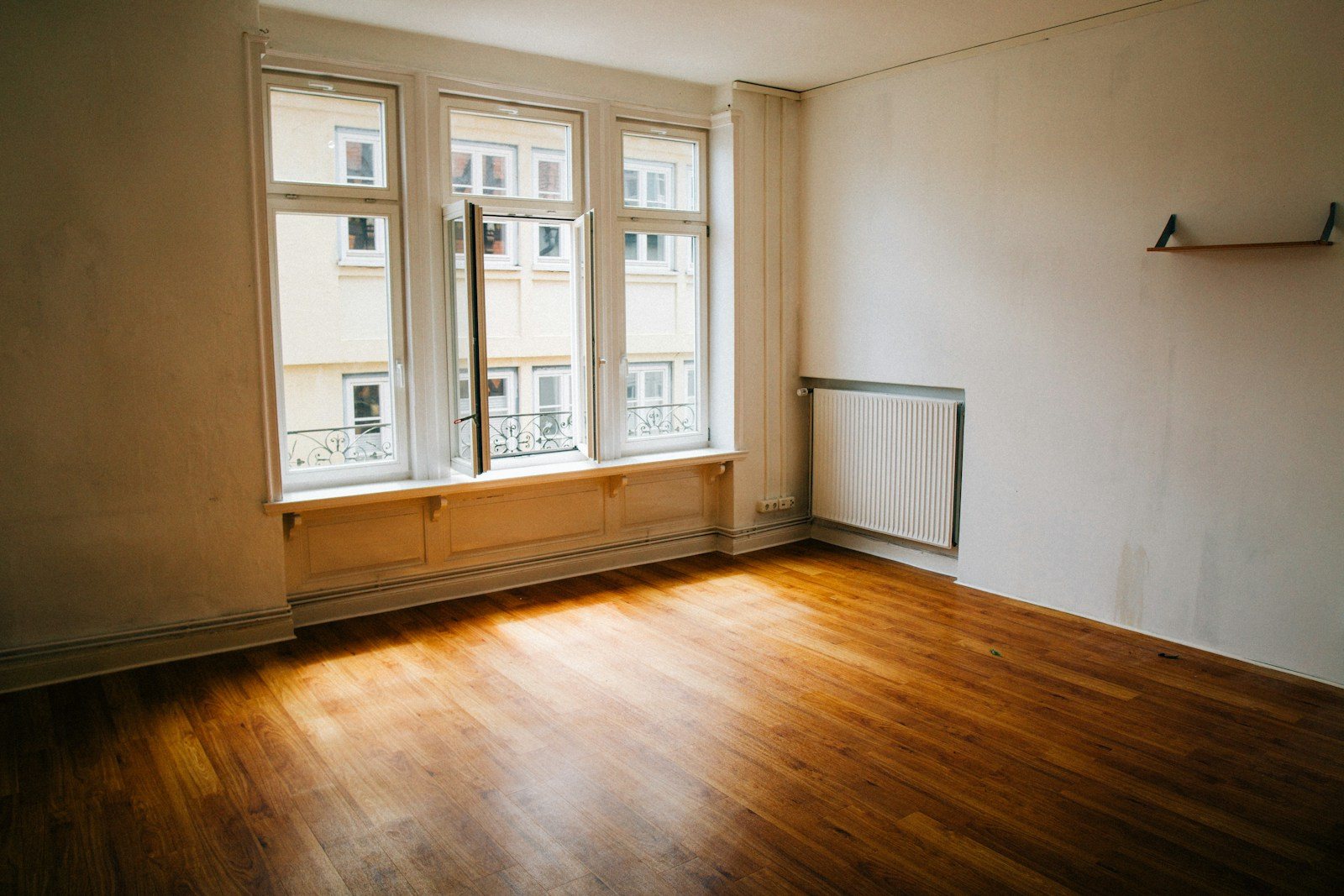
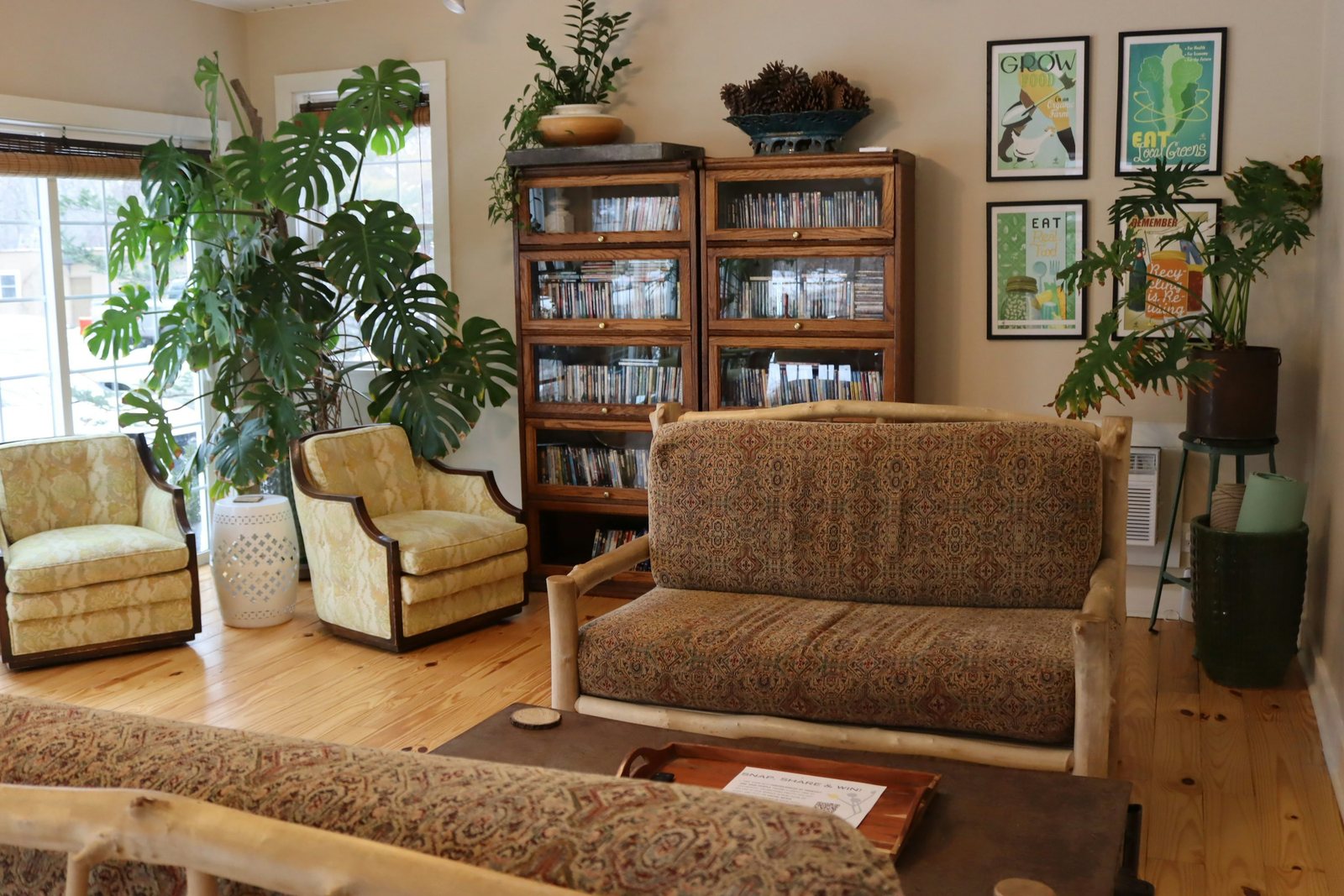
The coffee table looks right in a photograph. Then you sit down with a book and find yourself leaning across a cushion to reach your drink. That small mismatch is a better starting point than a shopping list. Try treating your living room as an experiment: describe one awkward moment, change one arrangement, and observe what happens during an ordinary evening. You are evaluating your own routine, not trying to reproduce somebody else's room.
A FEW THINGS TO TAKE WITH YOU
- Choose one everyday problem to solve before moving furniture.
- Protect walking routes, door openings, and access to existing outlets.
- Try the revised arrangement through an ordinary day before shopping.
Give the room a clear job
Write down the three things you actually do in the room, in order of frequency. Your list might be watching a film, eating a quick lunch, and reading. Someone else's might start with video calls. Use the first activity to choose the main seat and its orientation. A room does not need to imitate a showroom to serve you well.
Then name the friction in one sentence: 'I have nowhere to put my drink' is more useful than 'the room needs styling.' Keep that sentence beside you. It will help you decide whether moving an object improves the room or simply creates a different photograph.
Temporarily clear the small things
Gather loose decor, spare cushions, unread magazines, and items waiting to go elsewhere into a temporary holding area. Keep the furniture and genuinely useful daily objects. This is a short sorting exercise, not a demand to own less. Seeing the surfaces clearly makes it easier to notice a blocked route or an oversized cluster of accessories.
Return belongings that belong in another room. Group the rest by function: things you use while seated, things you want to display, and things that need storage. An existing tray, bowl, or box may already solve the loose-object problem.
Test the layout from the doorway
Sketch the walls, doors, windows, outlets, and largest pieces on paper before moving anything heavy. Try a second arrangement on the sketch. Keep access to doors, windows, heaters, vents, and required escape routes clear. Walk the route with your usual bag or laundry basket; an arrangement that only works when you turn sideways is not finished.
Move manageable pieces first, and get appropriate help with heavy furniture. Never remove an existing safety anchor just to try a new position. The CPSC recommends following manufacturers' securing instructions for furniture and TVs; a rental arrangement still needs to respect those requirements.
Move usefulness closer to where you sit
Sit in each seat and reach for the things you normally use. Put an existing side table where it can actually hold a drink. Move your reading lamp only if its cord can reach a suitable outlet without crossing a walking route. Place the remote in a small container that stays within reach.
| If this happens | Try this with what you own |
|---|---|
| Mail spreads across the coffee table | Give incoming papers one shallow tray elsewhere |
| The spare chair becomes a clothes pile | Return it to a useful seat or move it out |
| Two small tables crowd the sofa | Keep the more useful one and test the other elsewhere |
| Decor gets moved every evening | Leave that working surface clear |
Add back a small, connected selection
Choose a few favorite objects from the holding area. Repeat a color already present in a book cover, textile, or piece of art instead of trying to introduce a whole new palette. Fold an existing throw neatly or move a cushion from another room if it improves comfort. Leave some surface space available for actual use.
If wall decoration would require a new fixing, check your rental agreement and any permission needed before proceeding. You can finish this reset entirely with furniture and objects that are already safely in place.
Keep a tiny record, then make a decision
Before moving anything, choose two ordinary activities that the arrangement must support. One might be reading on the sofa; the other might be carrying laundry to the bedroom. Write down the obstacle in each. Do not give the room an overall score: a prettier corner can distract from a route that has become worse.
Repeat those activities after the change. In the example below, moving a side table is a hypothesis, not a reported success. Fill in the last column after actually using your own room. Keep the change only if the main task improves without making the other one harder. If you cannot tell, use it for another evening instead of adding a second change.
| Activity | What is awkward now? | One change to try | What happened? |
|---|---|---|---|
| Reading on the sofa | Drink is beyond comfortable reach | Move the existing side table beside the usual seat | Record after an ordinary evening |
| Carrying a laundry basket | Basket catches the chair back | Test the route before keeping the new arrangement | Record whether the route stays easy |
| Putting the room away | Remote gets buried under papers | Move incoming papers to an existing tray | Record where papers actually land |
The room is allowed to be finished
Set a stopping condition before you begin. For this experiment, it could be: the drink is reachable, the passage remains clear, and putting the book away does not require moving decor. Once those conditions are met, stop arranging. The corner does not need another layer just because the afternoon is still free.
If the same problem returns, name its cause. A table might be the right size but on the wrong side for your preferred seat. A tray might work but be inconvenient to empty. That diagnosis gives the next attempt a purpose. A useful room is a set of good fits between people and objects, and those fits can be slightly different in every home.
Sources & further reading
This guide offers general home-planning ideas. Product instructions and your own rental agreement take precedence. How we approach our guides.